

Much has been made of the shift to virtual psychotherapy during the pandemic. We’ve seen a vast amount of hand-wringing about what is lost when the psychoanalytic encounter is no longer embodied, how little we’ve thought through the implications of the frame in virtual work, how guilty we should feel about how nice it is to work from home, and more. However, much less has been said about the corresponding shift in psychoanalytic education. Candidates can now take classes virtually at institutes throughout the world; anyone can learn about analysis from YouTube; and there has been a vast increase in the number of places where clinicians can join others to discuss their work. (There is also Reddit, where patients can get together to discuss their therapists.)
Among the many online ventures that have emerged to educate people interested in psychoanalysis, Dr. Vanessa Sinclair’s “Rendering Unconscious” podcast and RU Center for Psychoanalysis stands tall. Through more than four hundred podcast episodes, along with seminars, books, art, film, music, and performance, Vanessa has created something more like an alternative psychoanalytic ecology.
Many are critical of psychoanalytic institutes, but Vanessa has done something considerably more difficult than criticizing them: she has created a thriving alternative. Rendering Unconscious brings together practicing clinicians, academics, activists, artists, filmmakers, writers, and practitioners and scholars of magic, occultism, and astrology. It is dazzlingly and uncompromisingly open.
This openness has allowed Rendering Unconscious to reach people—particularly younger, queer, creative, and politically engaged people—who are intensely interested in the unconscious but may feel that they have little access to institutional psychoanalysis. Rendering Unconscious was an important inspiration as I began thinking about helping The Psychoanalytic Quarterly enter the expanded possibilities of contemporary electronic publication. So I thought Vanessa would be a particularly good person to speak with about the present state of psychoanalytic education, institutional authority, magic and transgression, and what psychoanalysis might become when it travels beyond its customary settings.
— Nirav Soni
Related Links that further explore topics discussed above:
Sacred Intent (Expanded Edition): Conversations with Carl Abrahamsson 1986-2019
by Genesis Breyer P-Orridge and Carl Abrahamssonhttps://amzn.to/4glTO1s
RU374: GENESIS BREYER P-ORRIDGE ON GENDER, SEXUALITY & PERVERSION AT THE NEW SCHOOL
RU370: GENESIS BREYER P-ORRIDGE AT THE WARHOL MUSEUM
RU37: PSYCHOANALYST VANESSA SINCLAIR PRESENTS “THE CRUSADE AGAINST MAGICAL THINKING” https://www.renderingunconscious.org/dsm/vanessa-sinclair-psychoanalyst/
Wilhelm Reich His Theory & Techniques
by Dr. Israel Regardie https://amzn.to/4xOqcRo
Interview is part of “The Varieties of Transitional Experience,” a series edited by Nirav Soni
About the Series:
Winnicott’s transitional object and transitional phenomena concept has had an immeasurable impact on our understanding of the analytic process. Much of the theorizing of contemporary intersubjectivity turns on this concept, which Winnicott described as “the third part of the life of a human being, a part that we cannot ignore, is an intermediate area of experiencing, to which inner reality and external life both contribute.” Psychoanalytic scholarship of the last fifty years has worked out the implication of this concept for psychoanalytic process, but outside of the treatment process the elaboration of the concept of transitionality has focused somewhat concretely on aesthetic objects, mostly artworks that serve to help adults enter the realm of imagination and play. In Nirav Soni’s Substack series, he presents a number of essays, sketches, interviews, and reflections that do not presuppose that we understand what transitional experience is or what counts as an example of it. Instead, using a wide variety of topics—some related to aesthetics, but also covering sport, education, community mental health, and more—the series approaches transitional experience in an expansive way that may show what this idea holds for future generations.
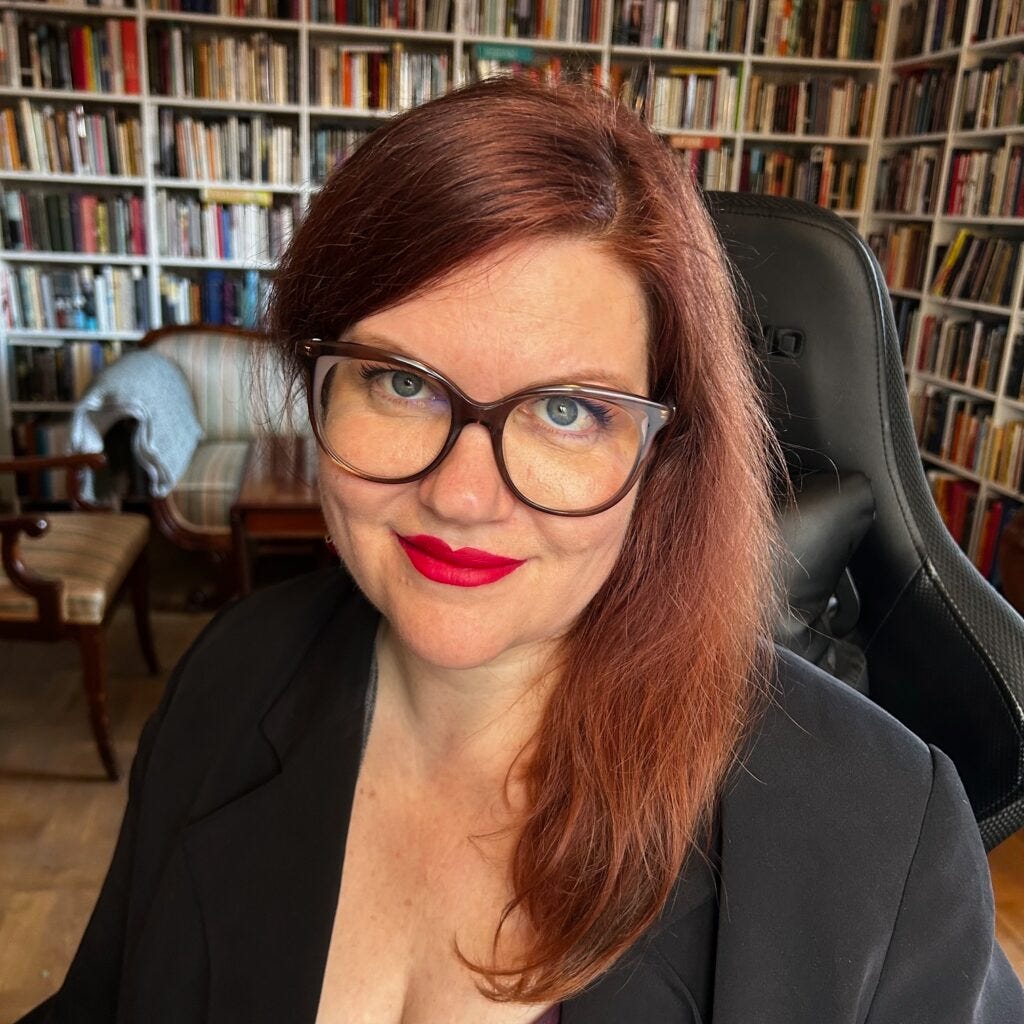
About Vanessa Sinclair:
Vanessa Sinclair, Psy.D. is a psychoanalyst based in Sweden, who works remotely online with people all over the world. She is the founder and director of Rendering Unconscious Center for Psychoanalysis and hosts the internationally renowned podcast “Rendering Unconscious,” which was awarded the Gradiva Award for Digital Media by the National Association for the Advancement of Psychoanalysis (NAAP). Dr. Sinclair is the author of Things Happen (2024), Scansion in Psychoanalysis and Art: The Cut in Creation (2021), The Pathways of the Heart (2021) and Switching Mirrors (2016). Sinclair is also the editor of Psychoanalytic Perspectives on the Films of Ingmar Bergman: From Freud to Lacan and Beyond (2023), as well as the Rendering Unconscious: Psychoanalytic Perspectives (2024) book series. She co-edited The Queerness of Psychoanalysis: From Freud and Lacan to Laplanche and Beyond (2025) with Elisabeth Punzi and Myriam Sauer, as well as Outsider Inpatient: Reflections on Art as Therapy (2021) with Elisabeth Punzi, On Psychoanalysis and Violence: Contemporary Lacanian Perspectives (2019) with Manya Steinkoler, and The Fenris Wolf 9 (2017) and The Fenris Wolf 11 (2022) with Carl Abrahamsson. She is a founding member of Das Unbehagen: A Free Association for Psychoanalysis, sits on the International Advisory Board for the journal Psychoanalysis, Culture & Society, and is Editorial Advisor for Parapraxis Magazine.
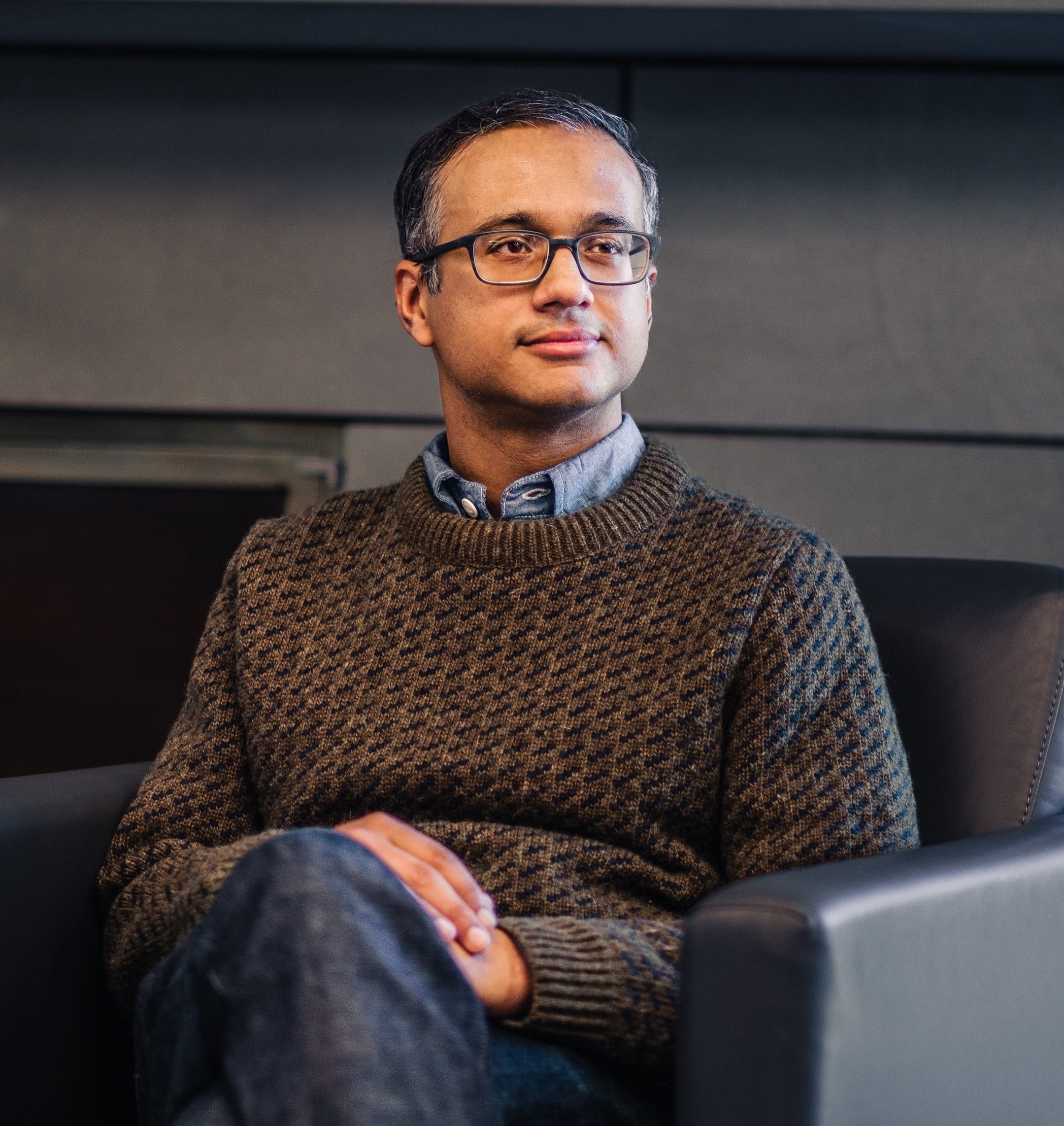
About Nirav Soni:
Nirav Soni, PhD is an Assistant Clinical Professor of Psychology in Psychiatry at Weill Cornell Medical College. He is on the faculty of the DeWitt Wallace Institute for the History of Psychiatry where he directs a fellowship program for second and third year psychiatry residents in the history of psychiatry. He also teaches and supervises in the psychology internship program at Cornell. He did his analytic training at the Columbia Center for Psychoanalytic Training and Research where he is now on the faculty. He is in private practice in Princeton, NJ and NYC.
I’m a retired psycho analyst that I was trained in New York at the psycho at NPAP